
Why Window Dressing Becomes a Major Business Risk?

In modern organizations, financial reports are not merely an administrative obligation. The numbers within them determine strategic direction, capital allocation, performance evaluation, and even relationships with investors and creditors. When these reports no longer accurately reflect operational conditions, the company loses its primary navigational tool.
Window dressing often arises not as a deliberate act of fraud, but as a short-term response to performance pressure. However, once numbers begin to be "adjusted" to appear better than reality, business decisions start being built on flawed assumptions.
1. Distorted Reality Leads to Poor Decisions
Management relies on financial reports to understand performance and set priorities. When the numbers do not represent the true situation, the organization begins allocating capital to units that appear healthy but are actually fragile.
This can lead management to delay necessary improvements because structural problems remain invisible, or even to ignore actual risk exposure.
While not always immediately harmful, window dressing affects not only external parties. If left unchecked, it can severely undermine the quality of internal decision-making.
2. Normalizing Deviance in Workplace Culture

When adjusting numbers is seen as "creative presentation," ethical boundaries begin to shift. Practices that were initially situational can instead turn into habits. The pressure to maintain the appearance of performance pushes teams to prioritize results over process.
In the long term, a culture that values success based on appearance, not substance, is formed. This can erode accountability and reduce the space for honest correction.
3. Eroding Market and Stakeholder Trust
Trust is built on consistency. When reports need to be revised or called into question, it is not just the accountability of a single report that is at stake, but the company's entire reputation. Investors, creditors, and business partners begin to question the reliability of the information presented.
The impact then spreads widely. It can lead to increased regulatory scrutiny, a decline in valuation, and restricted access to funding. A damaged reputation requires significant time and cost to restore.
4. Increasing Operational and Legal Risks
It is not uncommon for window dressing to result in report corrections, additional audits, or internal investigations. This process drains resources, distracts management's focus, and amplifies legal risks.
Even if it does not always violate regulations, the operational impact is real. This includes changes in policy, restructuring, and even leadership turnover. In this context, window dressing acts as a risk multiplier—magnifying the impact when problems are ultimately uncovered.
5. Transparency as a Strategy, Not Just Compliance
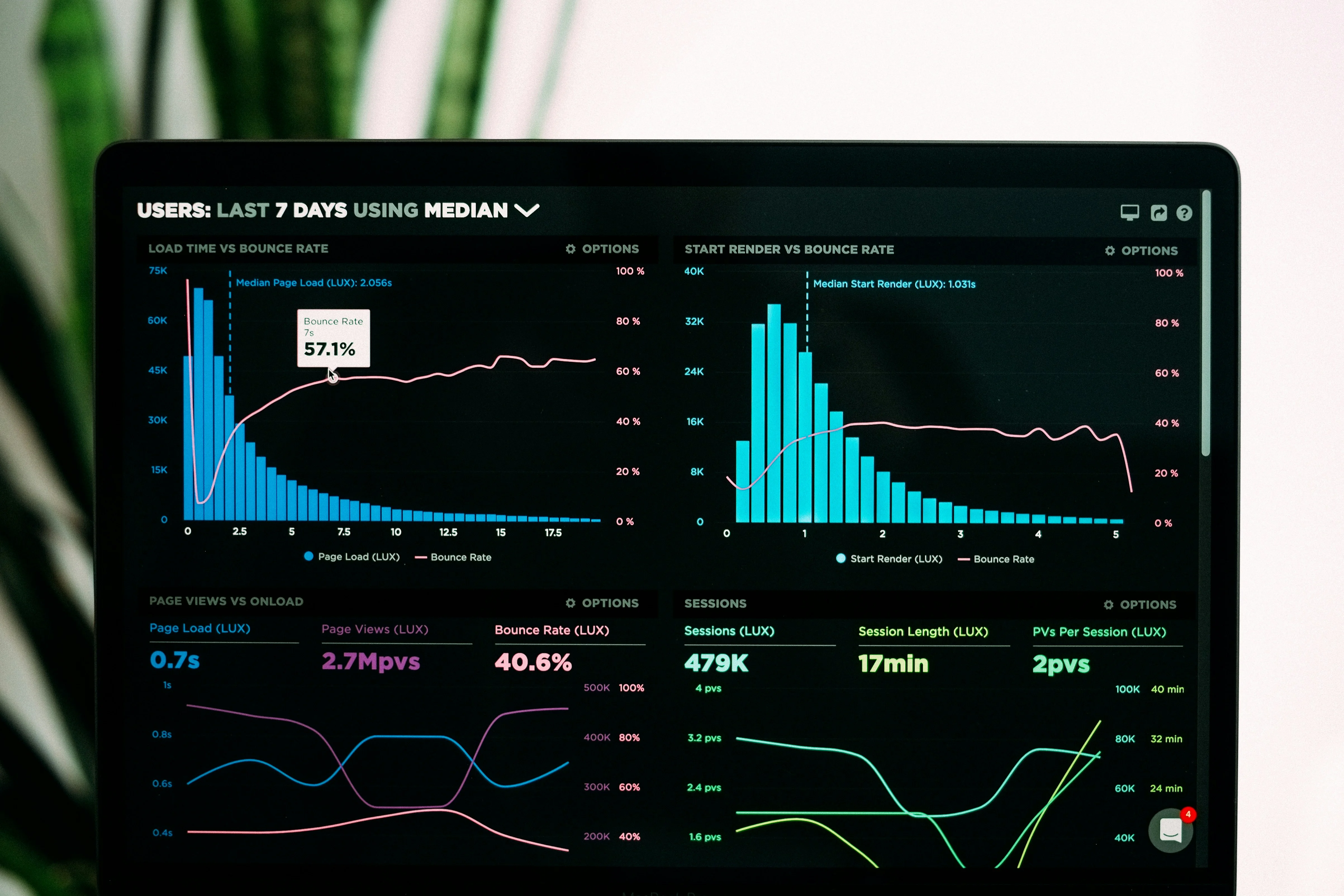
Preventing financial statement manipulation does not stem from fear, but from a system capable of presenting the true state of the business as it is. Helpful practices include analyzing cash flows for consistency with profits, comparing data across periods, ensuring transaction traceability, and implementing independent oversight.
This approach strengthens the quality of information that forms the basis for decisions and serves as an initial step in fraud analysis.
6. The Role of Data in Early Detection
As data volume increases, manual monitoring becomes insufficient. Technology helps organize information, flag anomalies, and accelerate the review process. This capability supports early detection before deviations escalate into a crisis.
Platforms like Simplifa.ai provide support for processing and preparing financial data for consistent analysis, without replacing professional judgment.
Window dressing is not merely about manipulating numbers; it affects how an organization understands itself. When reality is obscured, risk does not disappear—it is merely postponed. Transparency and data integrity are fundamental prerequisites for businesses seeking to build long-term resilience.