
Understanding Window Dressing in Companies: Definition and Examples
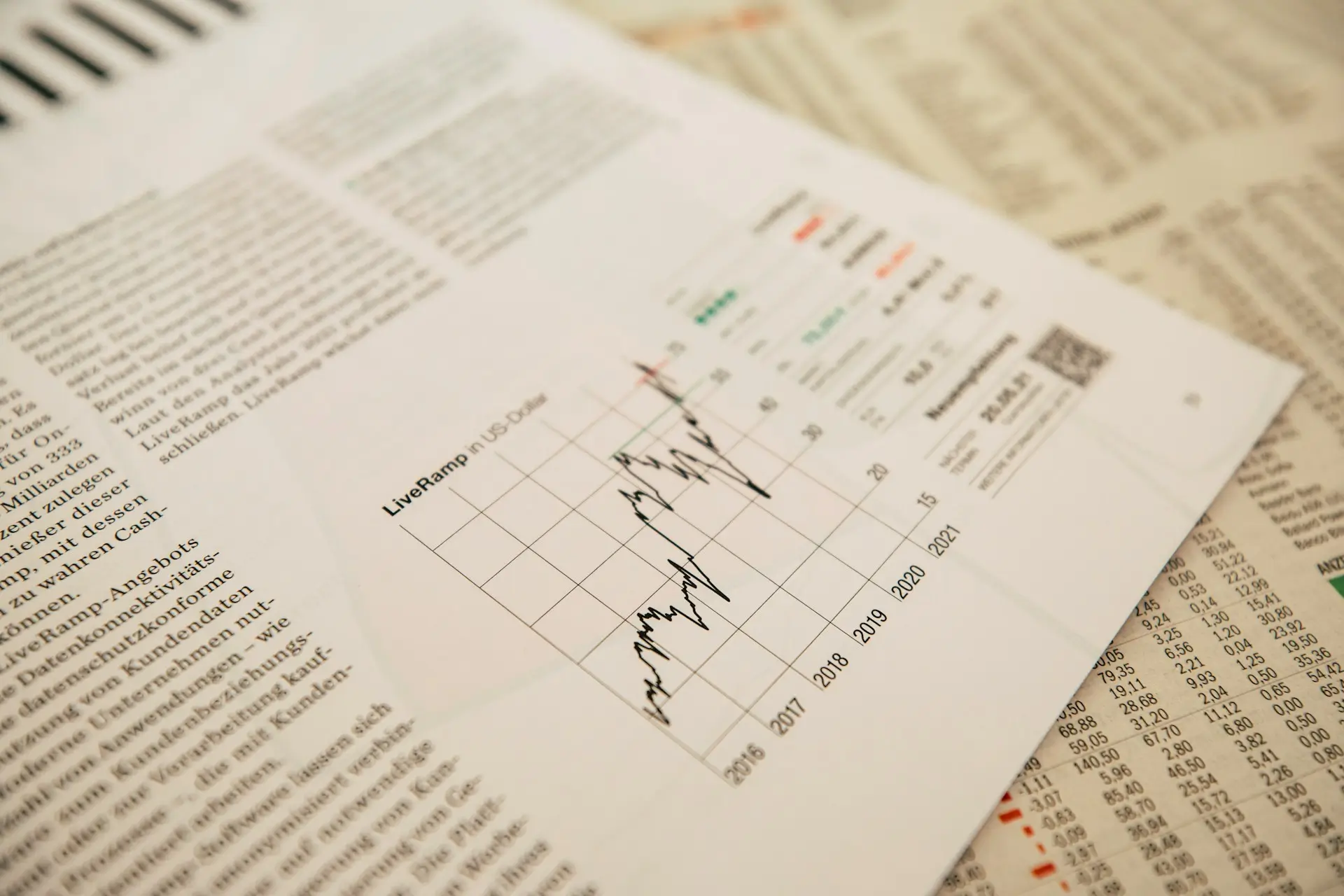
In the world of business, financial statements are the primary foundation for investors, creditors, and even P2P lending platforms to assess a company's health. However, not all numbers reflect the actual condition.
One common practice that often emerges at the end of a reporting period is window dressing — a company's effort to "beautify" its financial performance to appear better than it actually is.
Window dressing is not always considered a legal violation. However, this unethical practice carries risks because it can mislead parties who require an accurate financial picture. In many cases, this practice becomes the "gateway" to misreporting or large-scale fraud.
This article will discuss window dressing, examples of common practices, the risks for creditors and lenders, and how technology like Simplifa.ai can help detect irregularities early on.
1. What is Window Dressing?

Window dressing is a company's act of modifying or arranging the presentation of financial statements to create an impression of better performance than the actual condition. This practice is typically carried out ahead of:
- the end of a quarter,
- internal or external audits,
- a funding process,
- or when the company is applying for new credit.
The goal is simple: to present an attractive financial performance on paper, even if it is not aligned with the actual operational condition.
Window dressing can appear in various parts of the financial statements, such as cash, revenue, profit, and even short-term debt.
2. Why Do Companies Engage in Window Dressing?
There are several common reasons that drive companies to engage in this practice, including:
a. Attracting investors or new funding
It's no secret that investors favor promising forecasts during funding rounds. Companies want to show stable growth and financial attractiveness.
b. Improving credit ratings
The healthier the financial statements appear, the greater the chance of securing a loan. Therefore, many companies use window dressing to increase their chances of obtaining credit.
c. Maintaining internal and public image
Companies want to appear solid and stable ahead of audits, shareholder meetings, or the publication of annual reports.
d. Covering up a temporary performance decline
Some management views window dressing as a short-term strategy until conditions improve, although in reality, it often turns into a dangerous habit.
3. The Most Common Forms of Window Dressing
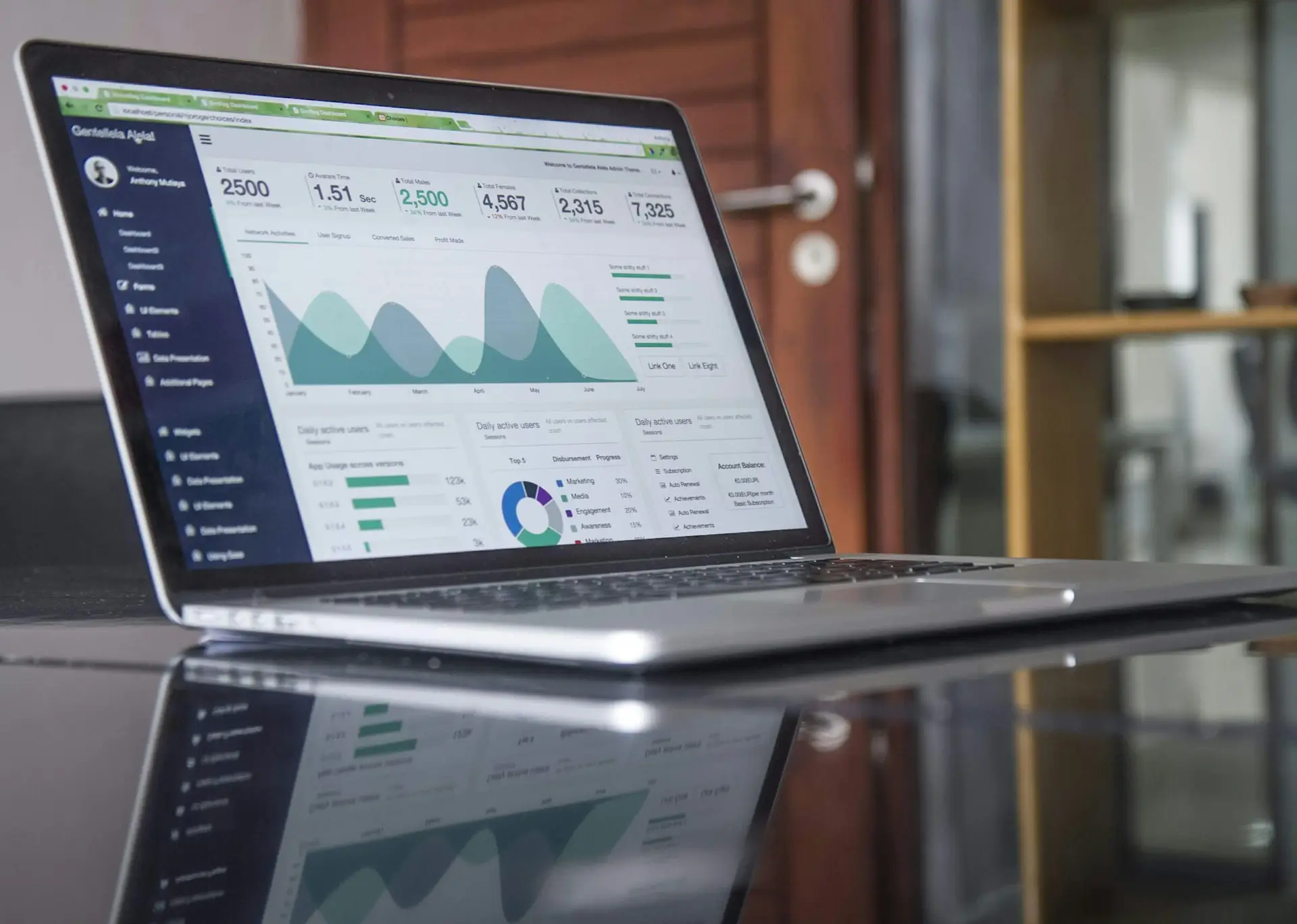
Here are common window dressing techniques often found in a company's financial statements:
1) Delaying Debt Payments
This method involves withholding payments to vendors or suppliers to make the cash balance appear higher at the end of the reporting period.
2) Accelerating Revenue Recognition
For example, recording a sale in December even though the goods will only be shipped in January. This practice makes revenue appear higher.
3) Temporarily Suppressing Expenses
Expenditures such as marketing, asset maintenance, or employee training are postponed to temporarily boost net profit.
4) Shifting Expenses to the Next Period
Certain costs are intentionally deferred to another month or quarter to make the current report look better.
5) Selling Assets to Create Artificial Profit
The company sells non-productive assets to create a one-time, non-sustainable profit boost.
6) Recording Non-Operational Transactions as Operational Revenue
This practice makes cash flow appear more stable than it actually is. It is also a common pattern found in cases of financial statement manipulation.
The practices above are indeed commonly encountered. However, it's important to remember that these activities can mislead external parties by creating a financial picture that does not reflect long-term
4. Risks of Window Dressing for Creditors & Lending Platform
Window dressing doesn't only affect shareholders. Lenders, investors, and P2P platforms are among the groups most vulnerable to its impact due to the following reasons.
a. Credit analysis can be misdirected
If financial statements do not reflect actual conditions, credit decisions end up being based on inaccurate data.
b. Default risk increases
A company that appears healthy on paper might have poor cash flow. Window dressing that misrepresents reality is misleading for both vendors and business partners.
c. Lenders and investors can be deceived by artificial performance
Accelerated revenue or deferred expenses can create an impression of unsustainable profitability.
d. The company's reputation and the financing ecosystem are threatened
If window dressing is exposed, trust in the entire financing chain can decline, or even be lost completely.
5. How Can AI Technology Help Detect Window Dressing?
Window dressing is difficult to detect through static documents like profit and loss statements or balance sheets alone. This is where raw data-based analysis—especially bank statements—becomes crucial.
Simplifa.ai’s AI-powered solution enables early detection through:
1) Cross-checking revenue vs. actual cash flow
Many cases of window dressing become apparent when recorded revenues do not match the actual inflows reflected in bank transaction records.
Simplifa.ai can process transactions from 300+ types of documents, making verification more accurate.
2) Detecting unusual transaction patterns
Window dressing often appears in the form of:
- incoming and outgoing transactions of the same amount within a short time frame,
- debit transactions immediately followed by credit transactions,
- or one-way internal transfers.
Simplifa.ai has more than 50 value-based rules, combined with anomaly detection and forecasting, to flag irregular patterns.
3) Continuous monitoring
Unlike annual audits, Simplifa.ai provides real-time insights so that transaction anomalies can surface before they grow into major issues.
Window dressing may appear to be a simple strategy for improving a company's image. However, its impact is significant for parties relying on financial data for decision-making.
For creditors, investors, and P2P lending platforms, this practice can obscure risk, lead to inaccurate credit assessments, and ultimately increase the likelihood of default.
Therefore, a more accurate system for detecting financial statement issues is needed. One solution involves a raw data-based approach, automated anomaly detection, and comprehensive financial analytics.
Technology like Simplifa.ai helps organizations see the true picture, not just a polished version.
In the end, accurate financial transparency is not just an obligation, but the foundation of a healthy and sustainable funding ecosystem.