
Fraud Detection: Techniques and Tools for Effective Fraud Prevention
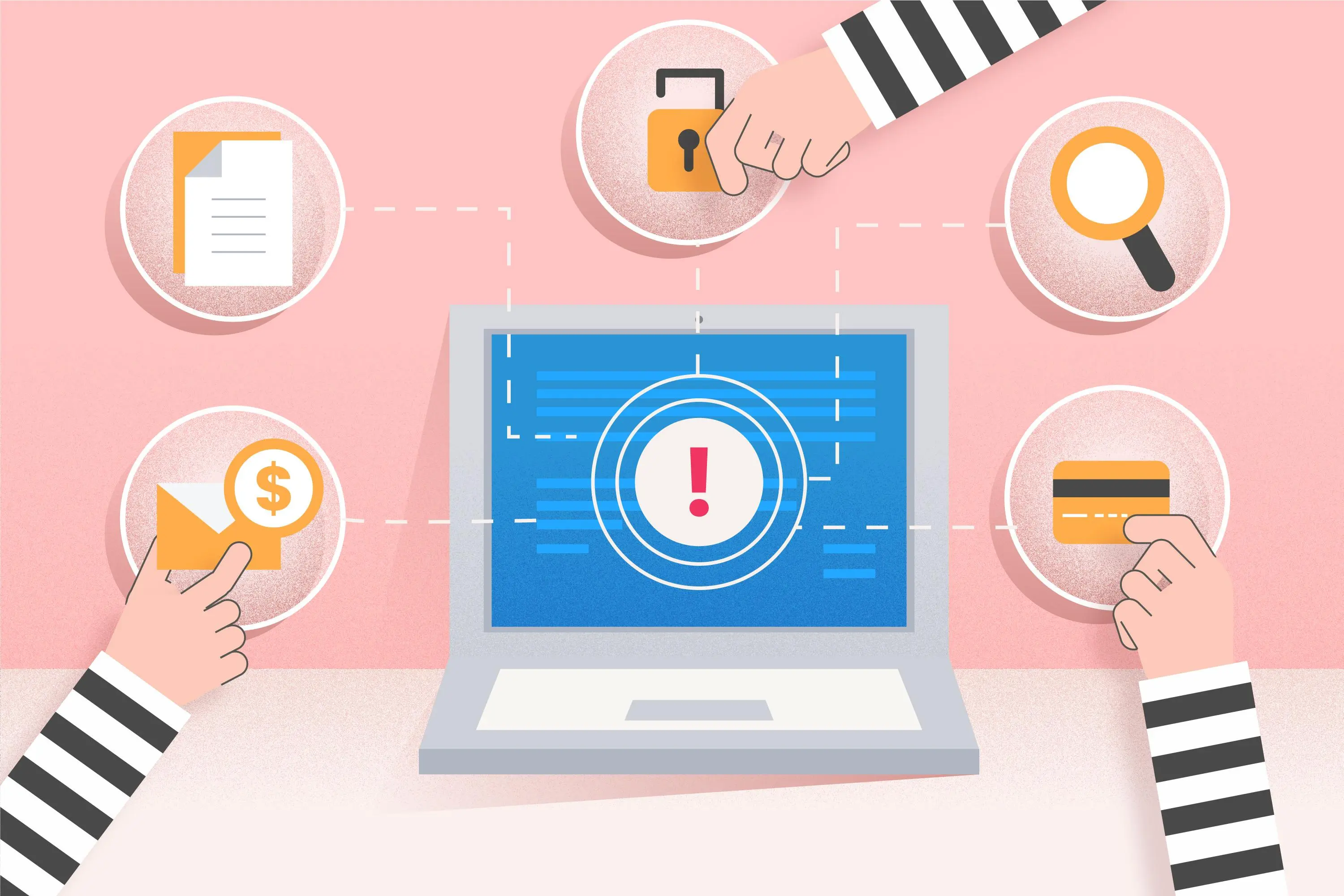
In the digital age, threats such as identity theft, suspicious transactions, and data manipulation are becoming increasingly common. Fraud detection has become a critical system to protect organizations from potential losses. Without a proper detection system, fraudulent activities can occur repeatedly without being detected.
Understanding how fraud detection works is an essential step before implementing it. Various tools are also available and can be used according to specific needs, especially to help prevent fraud early on.
Why is Fraud Detection Important?
Fraud not only leads to financial losses but also damages reputation and trust. A fraud checking system helps identify unusual activity within transaction data.
For example, if there is an unusually large transaction that deviates from a user's typical behavior, the system will automatically issue an alert. This is the primary function of fraud detection: to detect, warn, and prevent before losses occur.

Commonly Used Fraud Detection Techniques
There are several methods that are widely used in fraud detection, including:
Rule-Based System
This system uses logical rules to identify anomalies. For example, if a user makes multiple large transactions within a short period, the system will flag it as suspicious activity.
Statistical and Pattern Analysis
As the name suggests, this technique leverages historical patterns to identify outliers. When there is a deviation from normal behavior, the system can flag the data as a potential fraud risk.
Machine Learning
With the help of artificial intelligence (AI), the system learns from past data to identify new patterns that may indicate fraudulent activity. The more data it processes, the more accurate the AI-based fraud detection becomes.
Effective Fraud Detection Tools
Several tools are designed to support automated and real-time fraud detection, including:
Fraud Management System (FMS)
Monitors transactions and user behavior continuously. Its key advantage lies in real-time, automated detection without disrupting operational processes.
Biometric Verification
Uses fingerprints, facial recognition, or voice authentication. Compared to traditional methods, this system is far harder to forge since it relies on unique biological identifiers.
Document Validation Tools
According to Privy, these tools can verify document authenticity and prevent identity forgery. Their strengths include fast validation and minimal manual intervention, making them ideal for large-scale transactions.
AI-Powered Engine
Combining big data with AI, this engine detects new, previously unidentified patterns. AI-powered engines excel because they can adapt to evolving fraud tactics without requiring manual updates. This technology stands out as one of the best tools for preventing fraud in financial reporting.
Fraud prevention through detection systems is a critical component of long-term business security. Modern technology enables the detection process to be more efficient and responsive to emerging threats.
By integrating multiple techniques and tools, fraud risks can be minimized from the outset. A reliable fraud checking system helps maintain data integrity, prevent misuse, and build trust in the digital environment.