Techniques to Detect Window Dressing Before It's Too Late


Window dressing is rarely revealed as a single major act. Instead, it often develops gradually through small adjustments that appear reasonable in a given period but form a pattern of risk when repeated. By the time reports need correction or scrutiny, the damage is usually already done—whether to decision quality, trust, or reputation.
Therefore, the key challenge is not recognizing window dressing after it has been exposed, but detecting its signals while corrections are still possible. In detecting signs of window dressing, it is important not to focus on a single factor, but rather on patterns that are inconsistent with operational reality. What factors should be considered?
1. Analysis of Inter-Period Inconsistencies
Window dressing often appears as a performance spike near the end of a reporting period. Typically, operational costs are compared against quarterly revenue growth, margin changes, and expense shifts.
If a significant improvement occurs without a corresponding change in operations, this becomes an initial signal that the numbers do not fully reflect reality.
2. Divergence between Profit and Cash Flow
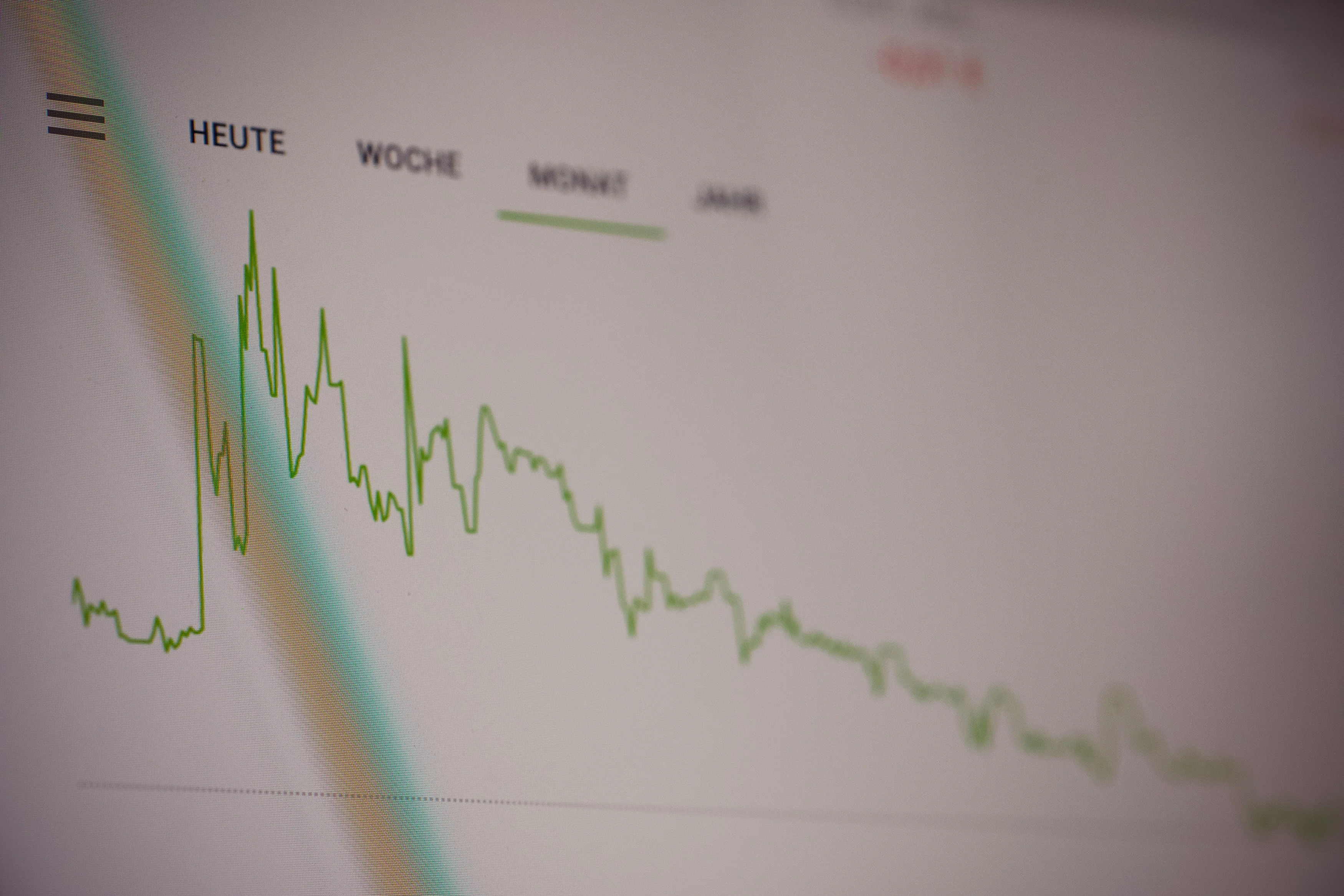
One indicator of window dressing is when profits show consistent growth, but operating cash flow stagnates or declines. This pattern suggests that the reported performance is not supported by actual cash receipts.
Repeated divergence indicates potential revenue acceleration or expense deferral. Therefore, it is crucial to carefully analyze operating cash flow in relation to net income.
3. Unusual Activity at Period-End
A spike in transactions near the closing date is often used to "tidy up" the figures. To detect window dressing, several signs to watch for include an increase in internal sales, transfers between entities, and large journal reversals. When analyzing anomalies in financial statements, it is important not to focus on a single transaction, but rather on the repetition or recurrence of transactions and their volume.
4. Ratio Changes Without a Business Trigger

Margins, inventory turnover, or debt ratios can shift dramatically without changes to the business model, pricing strategy, or cost structure. When metrics change without a clear operational driver, the shifts may be cosmetic.
5. Cross-Document Validation
Early detection requires comparing information across multiple sources, such as bank statements, general ledgers, invoices, and contracts. Discrepancies between documents often serve as an early warning signal, even before the numbers in the formal reports appear suspicious.
6. Detection as a Governance Tool
The goal of early detection is not to punish, but to restore business visibility. When signals are recognized early, an organization can adjust its strategy, improve processes, and prevent risk escalation. This approach turns detection into a preventive action and an integral part of governance, rather than a reaction to a crisis.
Window dressing is not always inherently bad. However, without oversight, it becomes dangerous when it is allowed to develop without correction. Early detection changes how an organization views risk—not as a surprise, but as a pattern that can be recognized. By reading the signals before it's too late, a business safeguards not only the accuracy of its reports but also the quality of the decisions that determine its future.
Related Articles

Explore the essentials of financial statement analysis to ensure business stability. Learn about key components, implementation stages, and the role of technology in enhancing financial data accuracy.

Indonesia's P2P lending industry continues to grow rapidly, particularly in productive sectors like agriculture, fisheries, and MSMEs. However, this growth brings significant challenges.

Understand how to assess P2P platform health beyond yield by analyzing portfolio quality, liquidity structure, governance, and data transparency.