What is Fraud Analysis? Basic Concepts and Prevention Methods


In the digital era, financial activities are taking place with increasing volume and speed. Behind this convenience, the risk of fraud is also rising, both from within and outside an organization.
Many cases of financial fraud occur not because of weak security systems, but because there is no analytical mechanism capable of identifying patterns of irregularities early on.
This is where fraud analysis plays a crucial role. It is not only for discovering fraud after it happens, but also for preventing it before it causes losses.
With a data and technology-based approach, fraud analysis has now become an integral part of corporate financial governance and security.
What is Fraud Analysis?
Fraud analysis is the process of detecting, understanding, and preventing suspicious financial activities through data collection and analysis. This approach combines audit techniques, statistics, and artificial intelligence to identify irregular patterns.
Its primary goal is not merely to find the perpetrators, but to build a system that can automatically recognize signs of fraud (fraud detection). In this way, companies can maintain the integrity of financial reports while also protecting assets from potential misuse.
Common Types of Fraud

In addition to the types of fraud, the methods for analysis and prevention also vary. Several measures that can be taken to prevent fraud are as follows.
1. Accounting Fraud
Accounting fraud occurs when financial reports are manipulated to conceal losses or artificially inflate performance. Examples include inflating revenue or hiding operational expenses.
2. Transaction Fraud
This type of fraud involves fictitious transactions, duplicate expenses, or altering payment amounts. These activities are often hidden among thousands of routine company transactions, making them difficult to detect.
3. Internal Fraud
As the name implies, the perpetrators of internal fraud are parties within the organization. Examples of such fraud include asset misuse, fund embezzlement, or conflicts of interest in the procurement process.
4. Cyber Fraud
Cyber fraud exploits online systems in its actions, such as the theft of banking data, manipulation of financial APIs, or hacking of payment systems.
As digitalization increases, the forms of cyber fraud are evolving rapidly. Therefore, more adaptive digital detection systems are necessary.
Methods of Fraud Analysis and Prevention

In addition to the types of fraud, the methods for analysis and prevention also vary. Several measures that can be taken to prevent fraud are as follows.
1. Transaction Pattern Analysis
Compare each transaction with historical data to identify unusual behavior. For example, repeated large transfers to the same account can be an early signal of potential irregularities.
2. AI-Based Anomaly Detection
Machine learning technology is used to recognize data patterns that do not conform to general data patterns, also known as anomalous patterns. This system can provide early warnings for suspicious transactions even before manual verification.
3. Digital Audits and Automated Reconciliation
With the support of document parsing and financial analytics, the auditing process can now be carried out more quickly and accurately. Platforms like Simplifa.ai help trace transaction data across documents automatically to ensure consistency and transparency.
4. Strengthening Internal Systems
Implementing strong internal controls, such as segregation of duties, access restrictions, and regular reporting, can minimize opportunities for fraud.
5. Ethics Training and Awareness
Employees are the first line of defense. Therefore, ethical awareness is a vital component of corporate security.
Improving financial literacy and ethical awareness helps create a corporate culture that is transparent and accountable.
Fraud analysis is not merely an investigative tool, but also a proactive strategy for maintaining public trust and corporate stability. By implementing data-based approaches, AI technology, and digital audit systems, companies can transform fraud detection from a reactive process into an intelligent and sustainable prevention system.
While fraud may never be completely eliminated, its impact can be minimized with proper analysis. This is especially crucial in an era where data has become the most valuable asset in modern business.
Related Articles

Learn key indicators and financial statement analysis techniques to assess a company's overall performance, efficiency, and transparency.
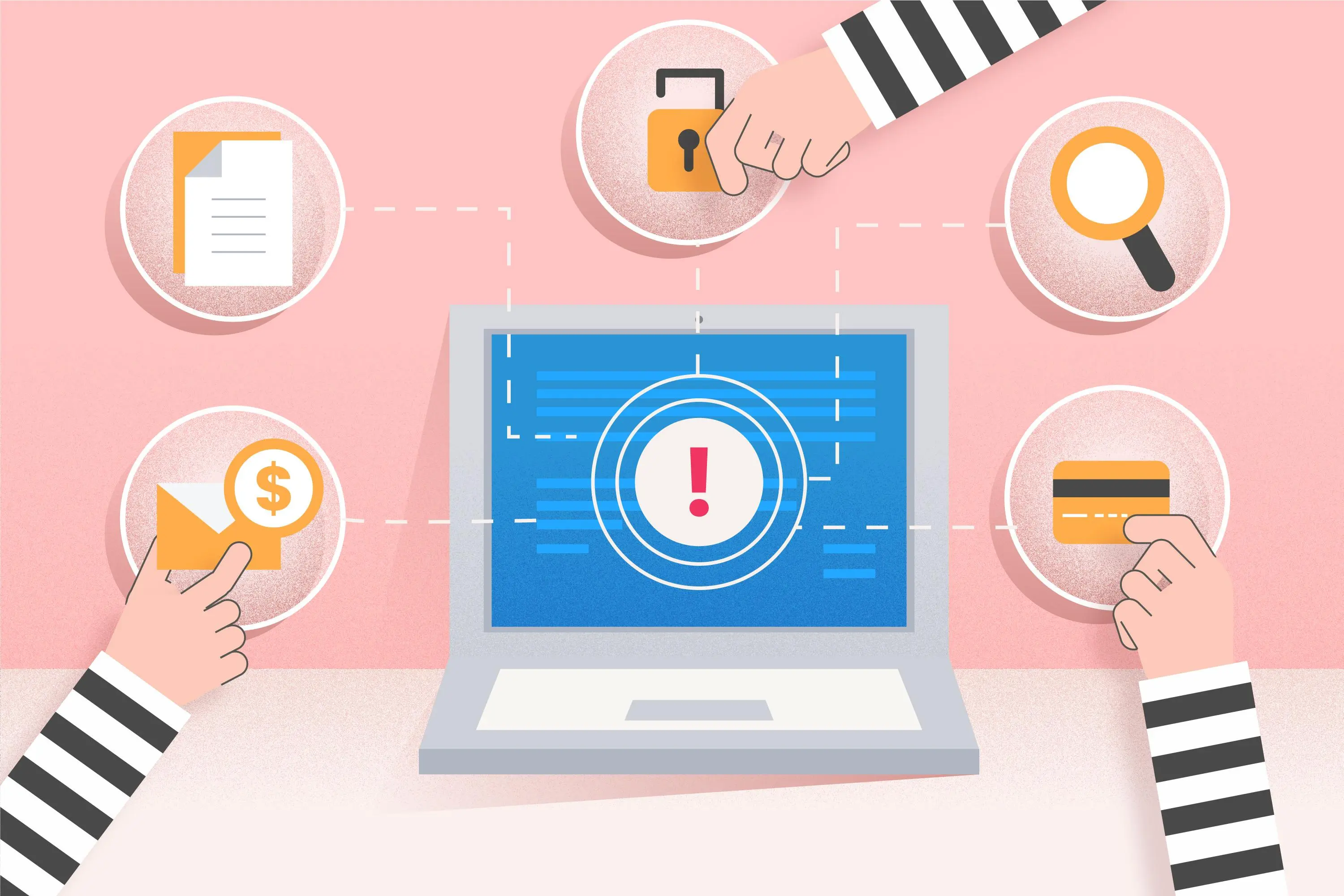
Learn fraud detection, from techniques to AI-based tools, to accurately detect and prevent fraud. A must for a secure digital business.

In the credit analysis process, credit bureau reports serve as a primary source for understanding the risk profile of a financing applicant. Information such as payment history, active obligations, and credit utilization patterns is used by creditors to assess funding eligibility.