APPI Hosts National Seminar: “Resilience and Turnaround - Indonesia's Economic Direction” in Jakarta
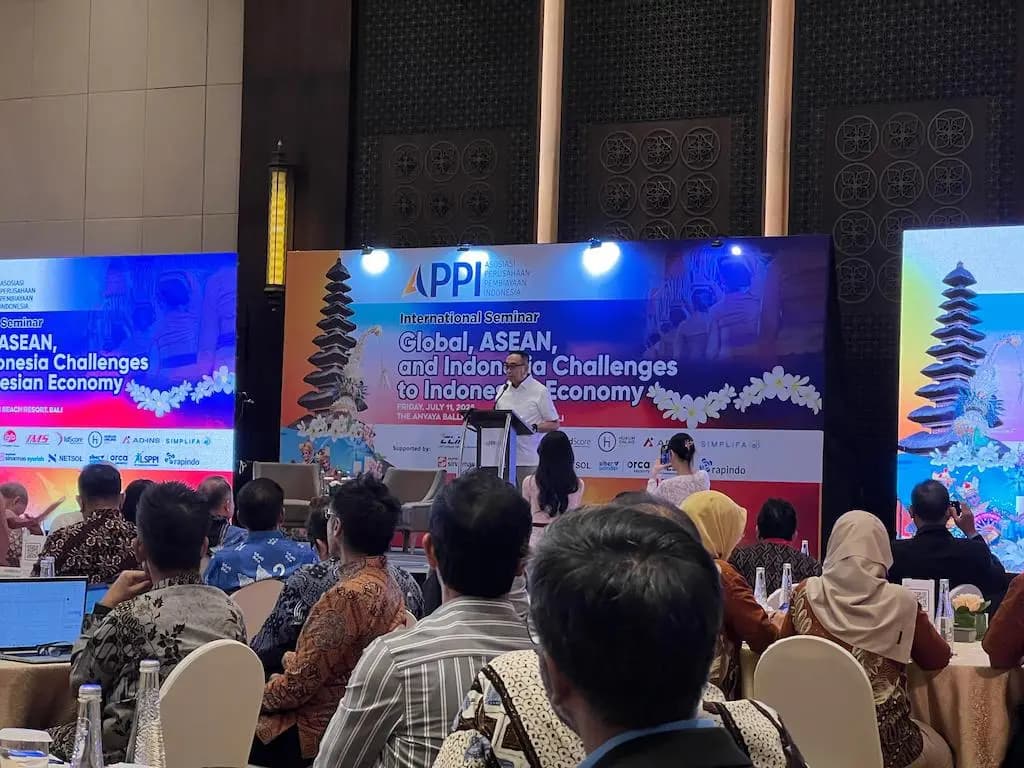
Jakarta, October 28, 2025 — A National Seminar, “Resilience and Turnaround: Indonesia's Economic Direction”, hosted by The Indonesian Financing Companies Association (APPI) held at the Pullman Hotel Thamrin, Jakarta.
As it connected to APPI's desire to create more partnership and dialogue to Indonesia's financing and financial services sector. The seminar convened key stakeholders in the financing and financial services sector, regulators and technology players to discuss the nation's economic direction against national and global challenges.
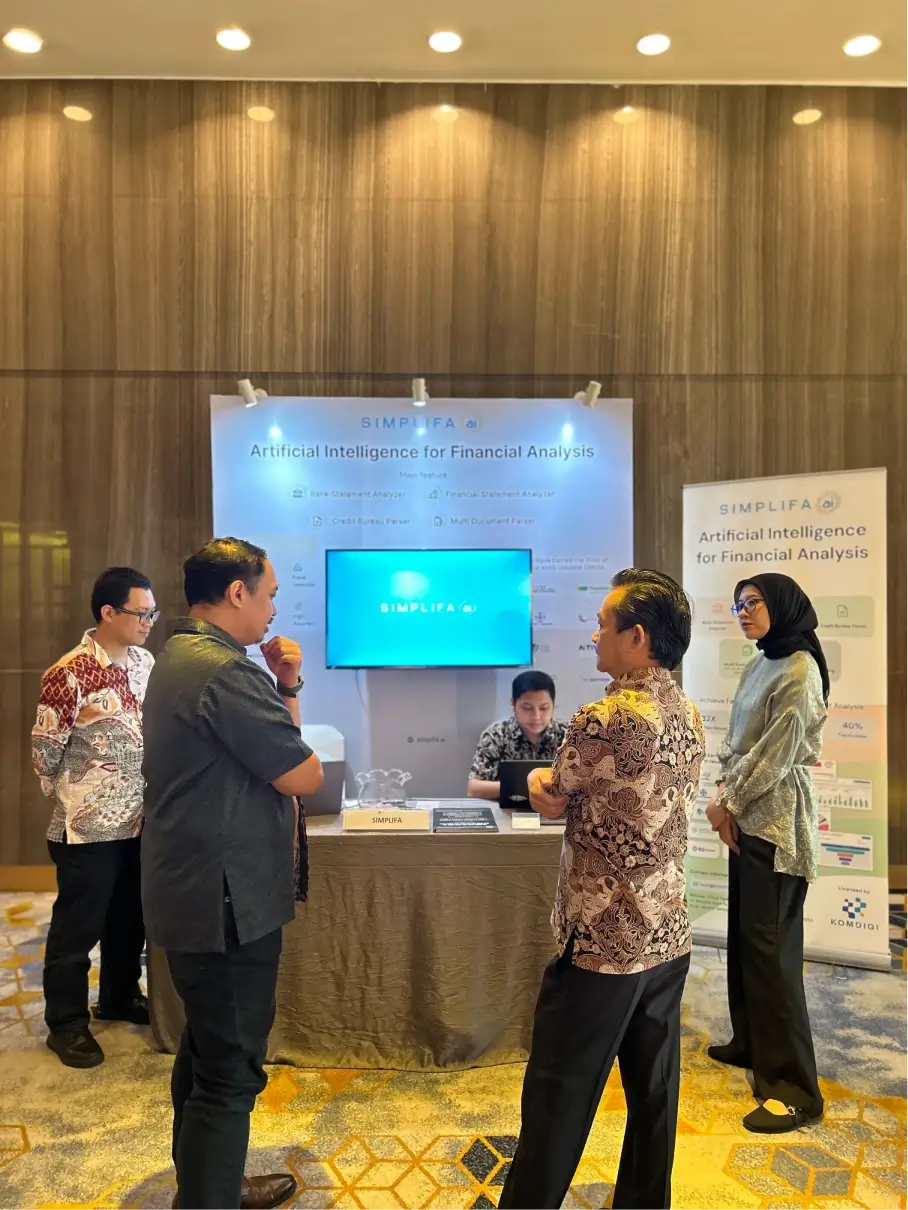
Among the supporting partners was Simplifa.AI, whose participation signifies the increasing alignment between financial sector stakeholders and technology enablers in building a more integrated fintech ecosystem in Indonesia.
Through this seminar, APPI aims to produce actionable policy insights and adaptive business strategies that will help guide the financial industry toward sustainable and resilient growth in the years ahead.
About Simplifa.ai
Simplifa.ai is an artificial intelligence platform that assists businesses in examining financial records and bank transactions in order to expedite the verification process and facilitate precise, automated credit decision-making.
Media Contact
Email: hello@simplifa.ai
Website: www.simplifa.ai