How Document Parsing Works: From Raw Files to Structured Data

Every day, companies generate and receive thousands of documents in various formats—from financial reports and bank statements to payment invoices.
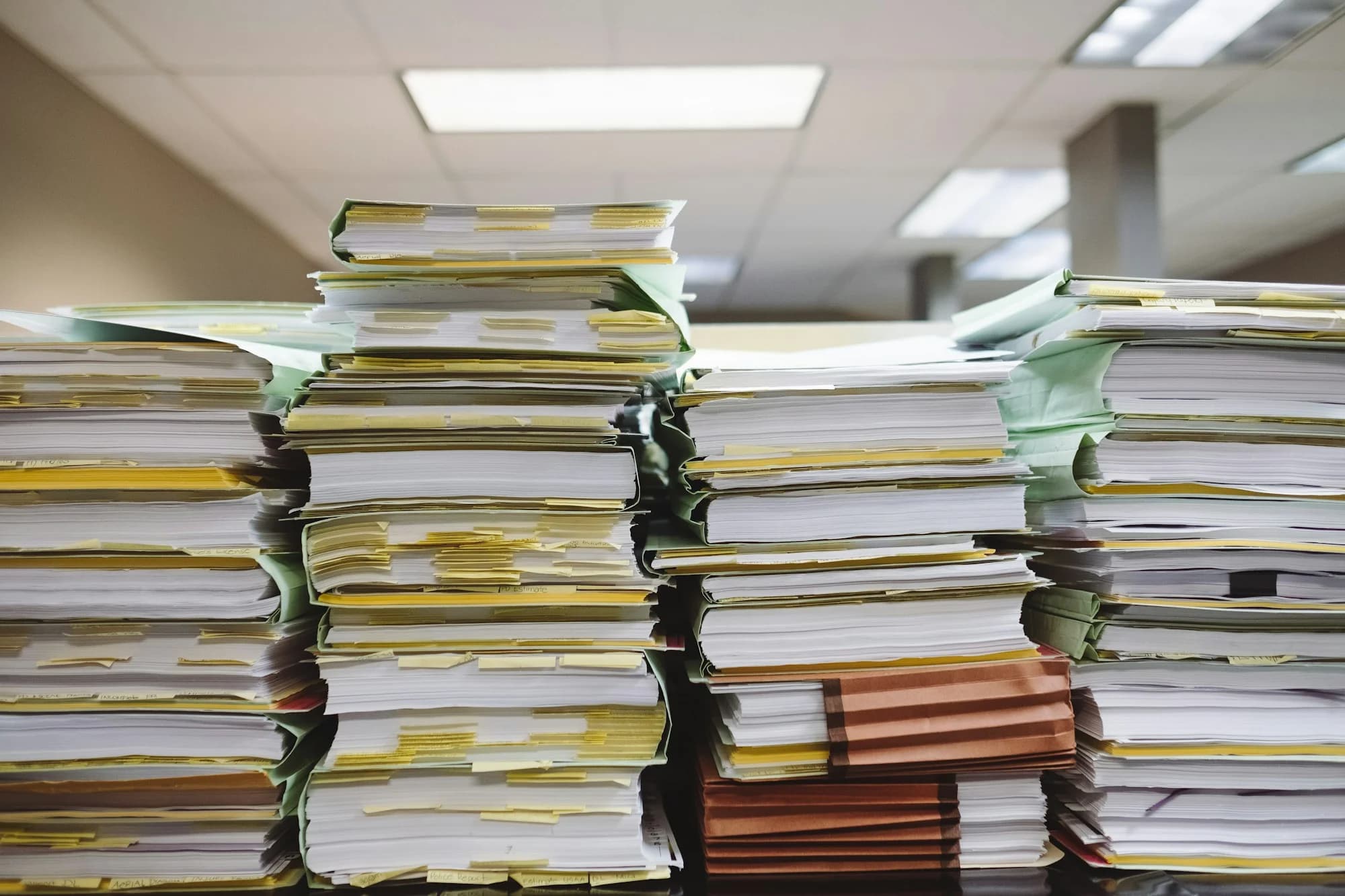
Most of these documents are still stored as raw files, such as PDFs or scans, which are difficult to process automatically. As a result, data analysis processes are often hindered by time-consuming manual work. To address this challenge, document parsing technology emerges as a solution.
With the help of Artificial Intelligence (AI) and machine learning, systems can read, extract, and structure information from raw documents into data ready for processing. This process serves as an important foundation for audit efficiency, financial analysis, and corporate digital transformation.
What is Document Parsing?
Simply put, document parsing is the process of converting information from unstructured documents into a format that can be read and analyzed by computer systems. This technology not only recognizes text but also understands the context of data such as numbers, dates, or tables.
For example, a parsing system can read a bank statement uploaded in PDF format and automatically extract each transaction; including the amount, date, and description. The system then compiles this information into a structured table for auditing or reporting purposes.
Stages of How Document Parsing Works

1. Raw Data Input
The process begins by inputting documents into the system, whether they are PDFs, scanned images, or other digital files. Modern parsing can handle various file formats with different levels of complexity.
2. Text Extraction with OCR
Optical Character Recognition (OCR) technology is used to identify text from images or non-editable documents. OCR converts visual elements into digital characters, allowing data such as transaction amounts or customer names to be read automatically by the system.
3. Structuring and Pattern Recognition
After the text is successfully extracted, the AI-based system identifies patterns and key elements within the document. For example, it separates columns for amounts, dates, transaction descriptions, or account categories. This stage produces structured data that can be used for further analysis.
4. Data Validation and Cleansing
Before data is sent to the main system, machine learning algorithms perform validation to ensure there is no duplication, misreading, or missing data. The system also learns from user corrections, thereby increasing its accuracy over time.
5. Integration with Analytical Systems
The resulting clean data can then be directly integrated with Enterprise Resource Planning (ERP) systems, analytical dashboards, or digital audit platforms like Simplifa.ai, which leverage AI to accelerate financial evaluation processes and anomaly detection.
Benefits of Document Parsing for Companies
- Operational Efficiency, manual tasks that take hours can be completed in minutes.
- High Accuracy, reduces human error in data recording and input.
- Data Transparency, the entire process is automatically recorded, simplifying auditing and tracking.
- High Scalability, capable of processing thousands of documents without increasing labor costs.
With document parsing, finance teams can focus on strategic analysis instead of repetitive administrative tasks.
Document parsing is not just a technical process, but a crucial pillar in business digitalization. By converting raw files into structured data, companies can accelerate analysis, enhance transparency, and strengthen data-driven decision-making.
Technologies like Simplifa.ai demonstrate how AI can maximize the value of every document—from raw files to structured data—a small step that brings significant efficiency to the future of financial analytics.