What Are Non-Business Transactions? Examples and Their Risks for Companies


Every business decision must be carefully considered, especially when it involves financial transactions. In business, besides planning, another crucial aspect is the transactions carried out.
Although it sounds simple, business transactions are more than just a buying and selling process. Beyond mere profit or loss, how a company conducts transactions also determines its financial health.
In a company's financial activities, not all transactions originate from core or primary operational activities. There are times when a company's account is used for CSR expenses, receiving entrusted funds, or transactions between entities unrelated to sales or production.
This type of activity is known as a non-business transaction. Although it may seem trivial, if not monitored properly, non-business transactions can affect the accuracy of financial reports and pose governance risks.
What Are Non-Business Transactions?
Simply put, non-business transactions are financial activities that are not directly related to a company's main business operations. This means these transactions do not increase or decrease revenue from core business activities, yet they are still recorded in cash flow or financial statements.
According to PSAK 1 (Pernyataan Standar Akuntansi Keuangan No. 1 - Presentation of Financial Statements), every transaction not directly related to core activities must be classified separately to ensure financial statements remain fair and transparent. This is outlined in the 2015 exposure draft by IAI Global.
Examples include using company accounts for personal expenses, CSR activities, receiving entrusted funds from third parties, or transfers between subsidiaries without an underlying business agreement.
Although these transactions do not affect operating profit, they must still be properly recorded and classified because they still have a financial impact and to ensure financial reports remain transparent.
Common Examples of Non-Business Transactions

1. Use of Company Accounts for Personal Purposes
A director uses company funds to pay for personal expenses. This transaction must be separated from operational expenses and recorded as an employee receivable.
2. Escrow Funds or Temporary Payments
The company receives funds on behalf of another party, for example, a customer deposit that has not yet been recognized as revenue.
3. Internal Transfers Between Entities
Internal transfers refer to the movement of funds between entities or accounts within the same corporate group, without any commercial transaction such as sales, purchases, or provision of services.
These transfers occur for operational, managerial, or administrative reasons but are not core business activities.
4. Donations and Social Contributions
CSR or donations are also categorized as non-business transactions as they do not provide direct economic value.
According to PSAK, social expenditures must be separated from main operational activities and supported by complete documentation to avoid audit findings or tax risks.
5. Refunds or Payment Corrections
Refunds are funds returned to or from the company due to previous transaction errors, not new business transactions.
Refunds do not generate new revenue or create new expenses but merely correct past transactions (adjusting entries).
Risks of Non-Business Transactions for Companies
1. Distortion of Financial Reports
Misclassification can create bias in profit analysis, financial statement analysis, or cash flow review. This will affect the company's financial health.
2. Potential Audit Findings
Auditors may consider non-business transactions as anomalies in financial reports if not properly documented. Inadequate documentation can trigger further scrutiny of internal controls.
3. Tax and Compliance Risks
Mixing personal and company funds can lead to tax reporting violations and even disrupt the company's cash flow.
4. Impact on Company Reputation
Financial transparency is the foundation of public trust. Blurred lines between personal funds and company operational funds can undermine credibility and public confidence.
How to Manage Non-Business Transactions and Prevent Their Risks?

Separate Operational and Personal Accounts
Ensure every transaction has a clear business purpose. Additionally, conduct thorough documentation for each transaction and attach all relevant and required files.
Implement Digital Audit Systems
A recent study on the application of AI in financial fraud detection shows that modern algorithms can recognize patterns of non-business transactions and anomalies with high accuracy, ultimately helping auditors work more efficiently (Moura et al., 2025, MDPI).
Strict Financial Policies
Establish written guidelines on the use of funds and reporting, with no exceptions for any inflow or outflow within the company’s cash flow.
Regular Internal Evaluation
Periodic audits help companies evaluate their cash flow during specific periods. Ensure every transaction is recorded and classified according to PSAK standards and company policies.
Non-business transactions can pose risks if not properly controlled. A clear separation between operational and non-operational activities helps maintain the accuracy of reports, legal compliance, and public trust in the company.
Moreover, conducting evaluations digitally has become increasingly effective with the help of technology, especially for detecting transaction irregularities.
Simplifa.ai, for example, can help companies detect financial anomalies more quickly during the evaluation process, including identifying irregular financial patterns and preventing potential fraud or misconduct.
Related Articles

Peer-to-peer (P2P) lending platforms operate in an environment that demands speed, accuracy, and consistency. Every day, operational teams handle large volumes of data—from borrower documents and transaction information to verification and monitoring processes.
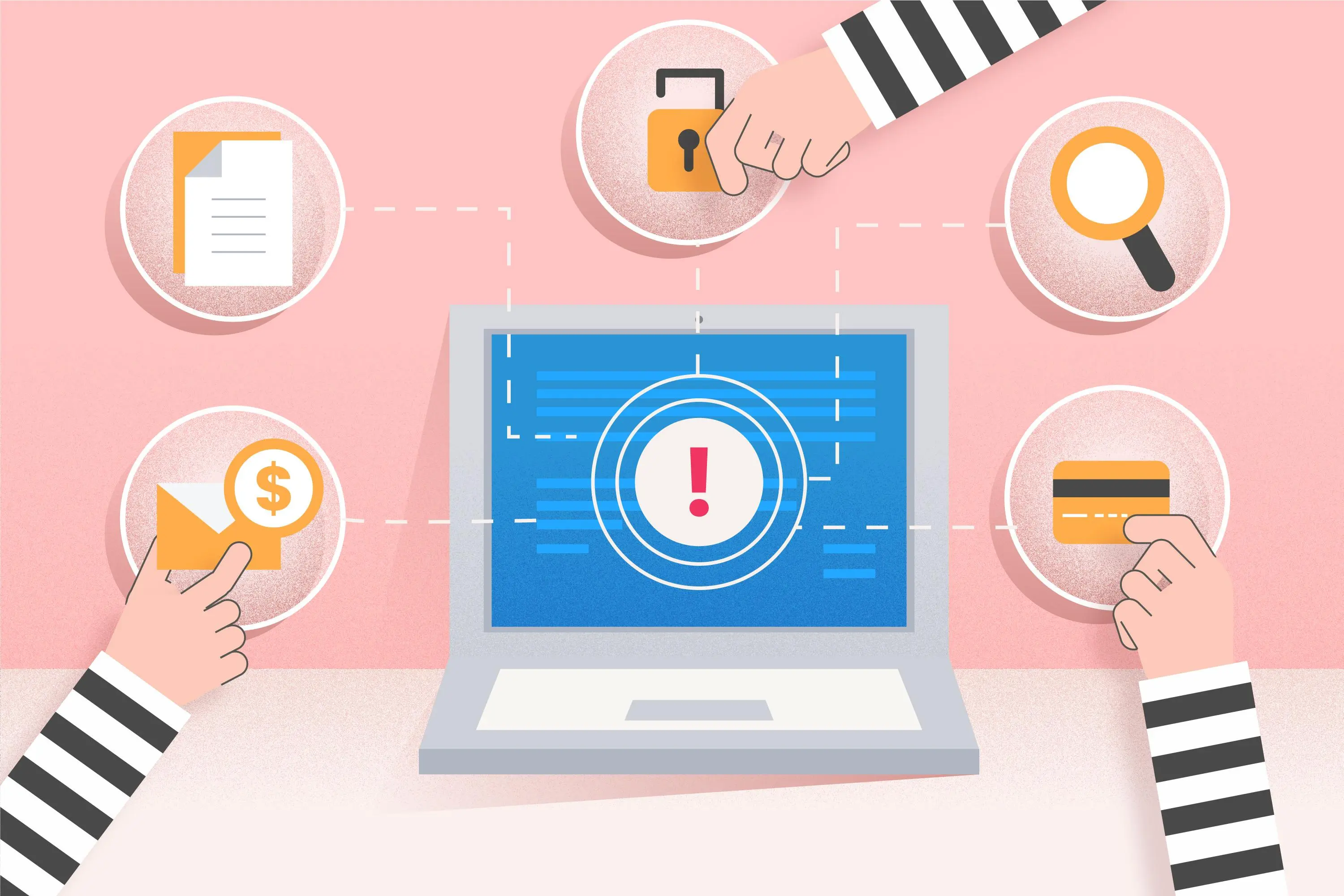
Learn fraud detection, from techniques to AI-based tools, to accurately detect and prevent fraud. A must for a secure digital business.

Simplifa.AI and BPRS HIK Parahyangan formally inked a strategic collaboration agreement in Bandung on September 25, 2024, which was a significant turning point in the adoption of AI technology in the Islamic banking industry